 Skip to content


Planning a corporate event involves countless details, but few aspects are as crucial as ensuring smooth transportation for all attendees. Whether you’re organizing a conference, team-building retreat, or client appreciation event, efficient group transportation can make the difference between a seamless experience and a logistical nightmare.
Understanding Your Transportation Needs
Before diving into the logistics, assess your event’s specific requirements. Consider the number of attendees, event duration, multiple locations, and any special needs. Are you managing airport pickups for out-of-town guests? Do you need shuttle service between venues? Will there be late-night events requiring return transportation? Understanding these factors helps create a comprehensive transportation plan.
The Benefits of Professional Transportation Services
Hiring a professional transportation service for your corporate event offers several advantages over ad-hoc solutions:
Reliability and Punctuality
Professional services understand that timing is everything in corporate events. They provide guaranteed availability, monitor flight arrivals, and adjust to schedule changes. This reliability ensures your event stays on track and participants arrive fresh and focused.
Professional Image
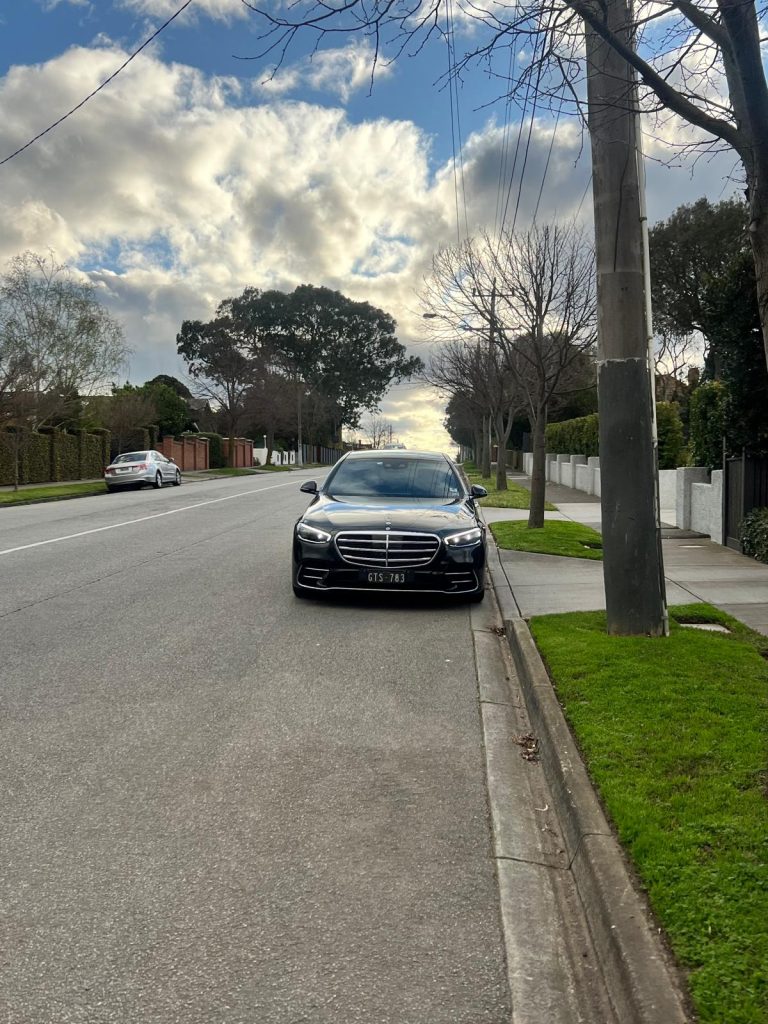
Your transportation choice reflects your company’s standards. Professional chauffeur services maintain immaculate, late-model vehicles and employ well-trained drivers in professional attire. This attention to detail reinforces your corporate image and impresses clients and employees alike.
Essential Planning Tips
1. Early Booking
Start arranging transportation well in advance, especially for large groups or during peak seasons. This ensures vehicle availability and allows time for detailed planning.
2. Detailed Scheduling
Create a comprehensive schedule including:
- Pickup and drop-off times
- Multiple venue locations
- Buffer time for traffic
- Meal breaks and free time
- Alternative routes for emergencies
3. Communication Strategy
Develop clear communication channels between:
- Event organizers
- Transportation coordinators
- Drivers
- Attendees
4. Contingency Planning
Always have backup plans for:
- Weather disruptions
- Traffic delays
- Last-minute schedule changes
- Vehicle breakdowns
- Additional passenger requests
Vehicle Selection Considerations
Different events require different vehicle types. Consider these options:
Executive Sedans
Perfect for VIP transportation or small groups, offering privacy and luxury.
Luxury SUVs
Ideal for small groups requiring more space for luggage or materials.
Mini Buses
Excellent for medium-sized groups, offering comfort without the bulk of full-sized coaches.
Coach Buses
Best for large groups, providing amenities like WiFi, restrooms, and entertainment systems.
Technology Integration
Modern corporate transportation leverages technology for better service:
- Real-time vehicle tracking
- Digital manifests
- Mobile apps for updates
- GPS route optimization
- Electronic billing systems
Special Considerations for Different Event Types
Conferences
- Coordinate airport transfers
- Arrange hotel shuttle services
- Plan for exhibition materials transport
- Consider speaker transportation needs
Team Building Events
- Account for equipment transportation
- Plan flexible pickup times
- Arrange multiple stop locations
- Consider outdoor venue access
Client Events
- Provide premium vehicle options
- Offer door-to-door service
- Include bilingual drivers if needed
- Maintain high service standards
Cost Management Strategies
While professional transportation services may seem expensive, they often prove cost-effective through:
- Consolidated billing
- Volume discounts
- Predictable pricing
- Time savings
- Reduced liability risks
- Tax-deductible business expenses
Making It Work on Event Day
Before the Event
- Confirm all bookings
- Share contact information
- Brief drivers on routes
- Test communication systems
- Review weather forecasts
During the Event
- Maintain open communication
- Monitor schedule adherence
- Address issues promptly
- Track vehicle locations
- Collect real-time feedback
After the Event
- Gather participant feedback
- Review service quality
- Analyze cost efficiency
- Document lessons learned
- Plan improvements for future events
Conclusion
Successful corporate event transportation requires careful planning, attention to detail, and professional execution. By choosing the right transportation partner and following these guidelines, you can ensure your corporate event runs smoothly from start to finish. Remember, good transportation management often goes unnoticed – and that’s exactly what you want. When your guests focus on the event rather than how they’re getting there, you’ve achieved transportation success.
The investment in professional corporate transportation services pays dividends in reliability, professionalism, and peace of mind. Your attendees will appreciate the seamless experience, allowing them to focus on the event’s purpose rather than logistical concerns.